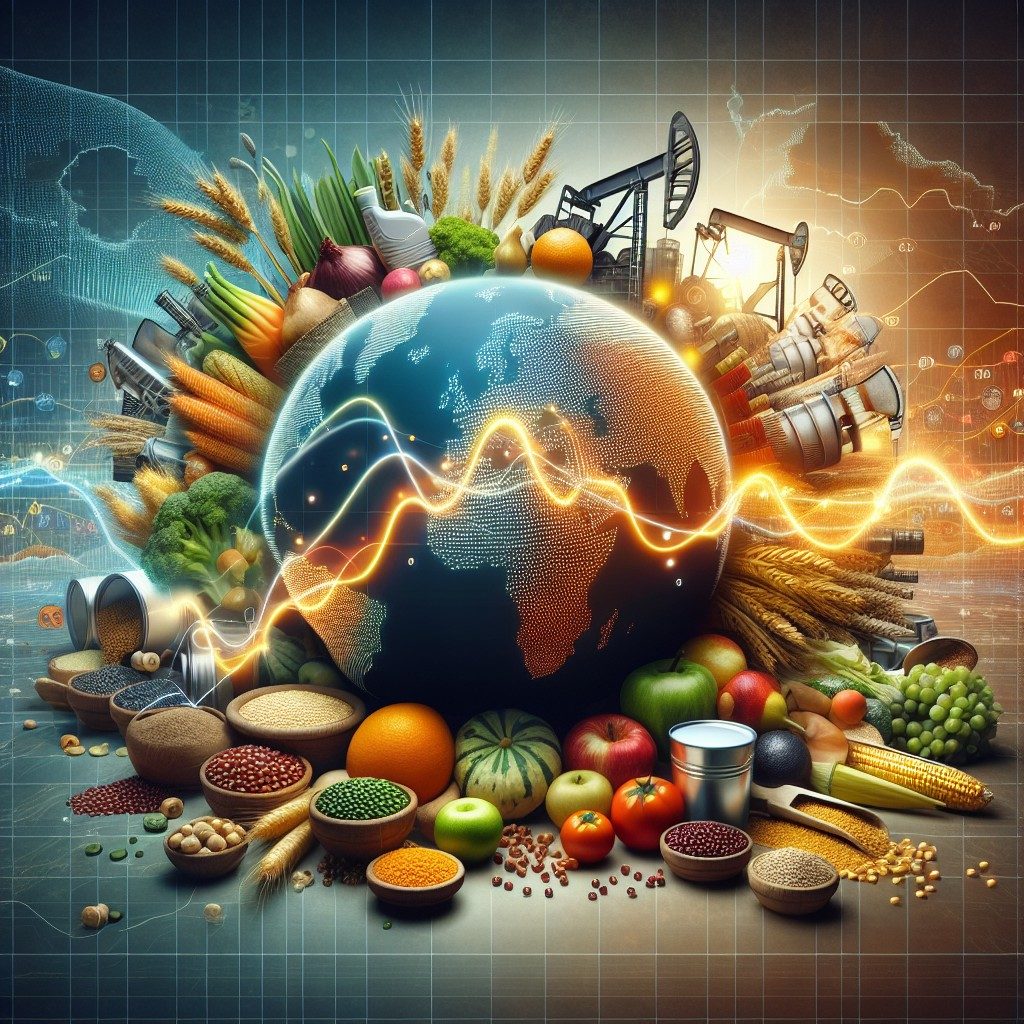
Volatility in commodity prices remains a central issue influencing economies worldwide, particularly impacting food and energy costs. These fluctuations affect both consumers and producers, reflecting a complex interplay of global factors that drive price changes in fundamental resources. Understanding why commodity prices exhibit such swings is crucial for policymakers, businesses, and stakeholders seeking to mitigate risks and promote economic stability.
Global Supply Chain Disruptions Affect Commodities
Supply chain challenges, notably exacerbated by the COVID-19 pandemic and geopolitical tensions, have led to significant disruptions in the distribution of key commodities. Interruptions in shipping routes, labor shortages, and factory shutdowns have constrained the availability of raw materials, pushing up prices. For instance, delays in transporting energy resources or agricultural products can create temporary scarcity, which tends to increase commodity prices globally.
Climate Change’s Impact on Agricultural Commodity Prices
Adverse weather events linked to climate change increasingly affect agricultural production, altering yields and quality. Droughts, floods, and unseasonal temperatures have reduced crop outputs in major farming regions, leading to volatility in food commodity prices. These environmental factors introduce uncertainty, causing fluctuations that ripple through global markets as countries adjust import and export strategies in response to domestic production changes.
Geopolitical Tensions Influence Energy Markets
Geopolitical developments, especially in energy-rich regions, play a pivotal role in commodity prices, particularly for oil and natural gas. Conflicts, sanctions, and political instability can disrupt production and exports, resulting in supply concerns that elevate energy commodity prices. Recent tensions in critical supply areas have demonstrated how quickly energy markets can react, affecting costs for transportation, manufacturing, and basic goods worldwide.
Currency Fluctuations and Their Effect on Commodity Prices
Since many commodities are priced in US dollars, fluctuations in currency values have direct effects on global commodity prices. When the dollar strengthens, commodities become more expensive in other currencies, potentially reducing demand and leading to price adjustments. Conversely, a weaker dollar can increase commodity prices internationally. These currency dynamics contribute to the inherent variability seen in commodity prices, impacting global trade flows and economic strategies.
Demand Shifts Driven by Economic Recovery and Policy
Global economic recovery phases significantly influence commodity prices due to changing demand patterns. As economies reopen and industrial activity picks up, demand for energy and food commodities rises, exerting upward pressure on prices. Additionally, government policies promoting renewable energy or food security can affect supply-demand balances, indirectly impacting commodity prices. Monitoring these macroeconomic and policy trends is essential to understanding price swings.
Price fluctuations in food and energy commodities are the result of multifaceted and interrelated factors, including supply chain dynamics, environmental challenges, geopolitical developments, currency movements, and shifting demand patterns. These elements combine to create a complex landscape where commodity prices remain volatile. Going forward, increased transparency, improved forecasting, and coordinated policy responses will be key to managing and potentially stabilizing commodity price movements in the global market.
Frequently Asked Questions about commodity prices
What causes the biggest swings in commodity prices?
Significant swings in commodity prices primarily stem from supply chain disruptions, geopolitical tensions, climate events, and changes in global demand, all of which affect the availability and cost of key resources like food and energy.
How do commodity prices affect everyday consumers?
Commodity prices influence the cost of essential goods such as food and fuel. When those prices rise, consumers often face higher grocery bills and energy costs, which can reduce purchasing power and affect household budgets.
Why are energy commodity prices often linked to geopolitical events?
Energy commodities, like oil and natural gas, are concentrated in specific regions. Political instability or conflicts in these areas can disrupt production and exports, causing fluctuations in commodity prices to ripple through global markets.
Can climate change impact commodity prices?
Yes, climate-related events such as droughts or floods can reduce agricultural yields, impacting food commodity prices, while extreme weather also affects energy production, contributing to commodity price volatility.
What role do currency fluctuations play in commodity prices?
Since many commodities are traded in US dollars, changes in currency exchange rates impact their cost. A stronger dollar can make commodities more expensive internationally, affecting global demand and thus commodity price levels.