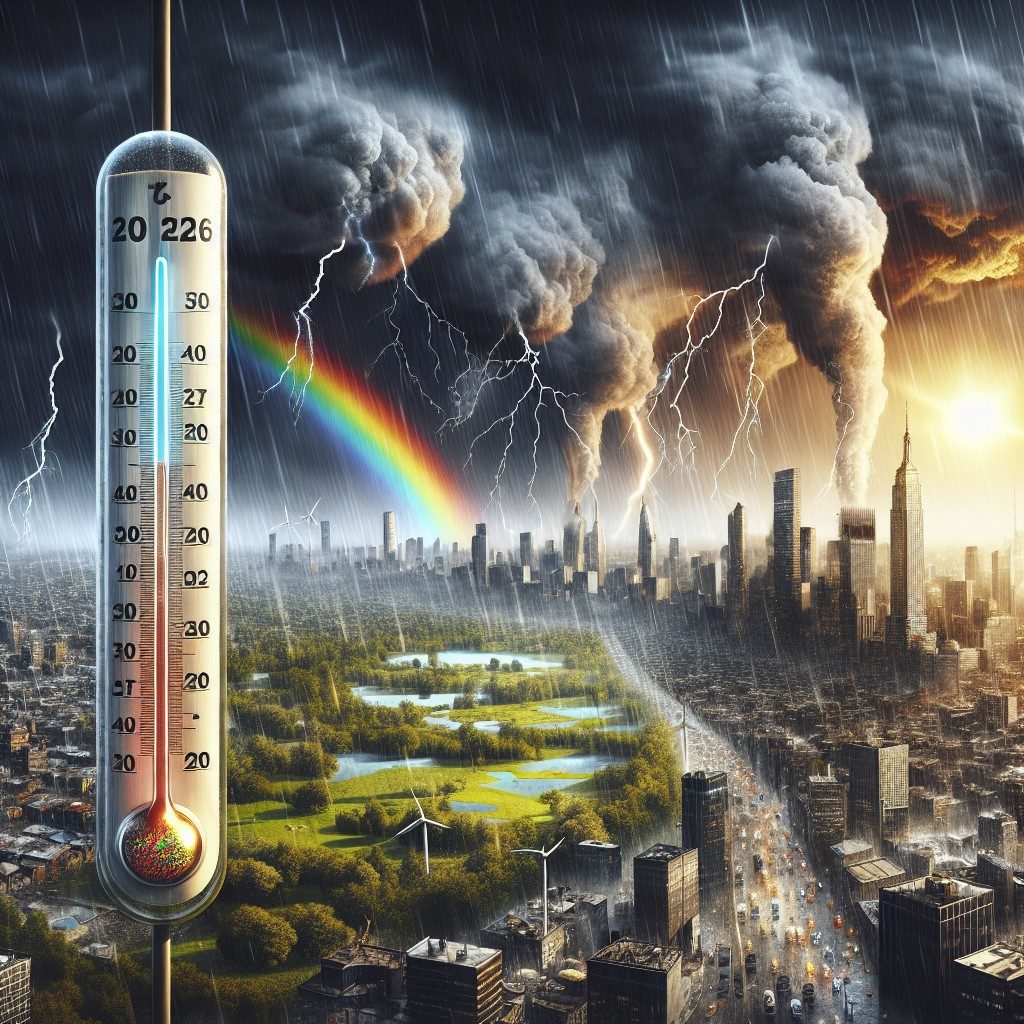
A recent Climate Analysis conducted by leading meteorologists has unveiled alarming predictions concerning global weather patterns for the year 2026. With climate change accelerating, the findings suggest that nations across the world may face unprecedented weather conditions that could challenge current preparations and adaptation strategies.
Rising Temperatures and Extreme Events
The Climate Analysis indicates that average global temperatures will likely exceed 1.5 degrees Celsius above pre-industrial levels by 2026, significantly increasing the risk of extreme weather events. This shift will likely result in more frequent heatwaves, droughts, and torrential rainfall, resultant in flooding in formerly stable regions. Coastal cities, particularly those in low-lying areas, are predicted to face severe storm surges and enhanced flooding risks, leading to substantial economic and humanitarian crises.
Impact on Agriculture and Food Security
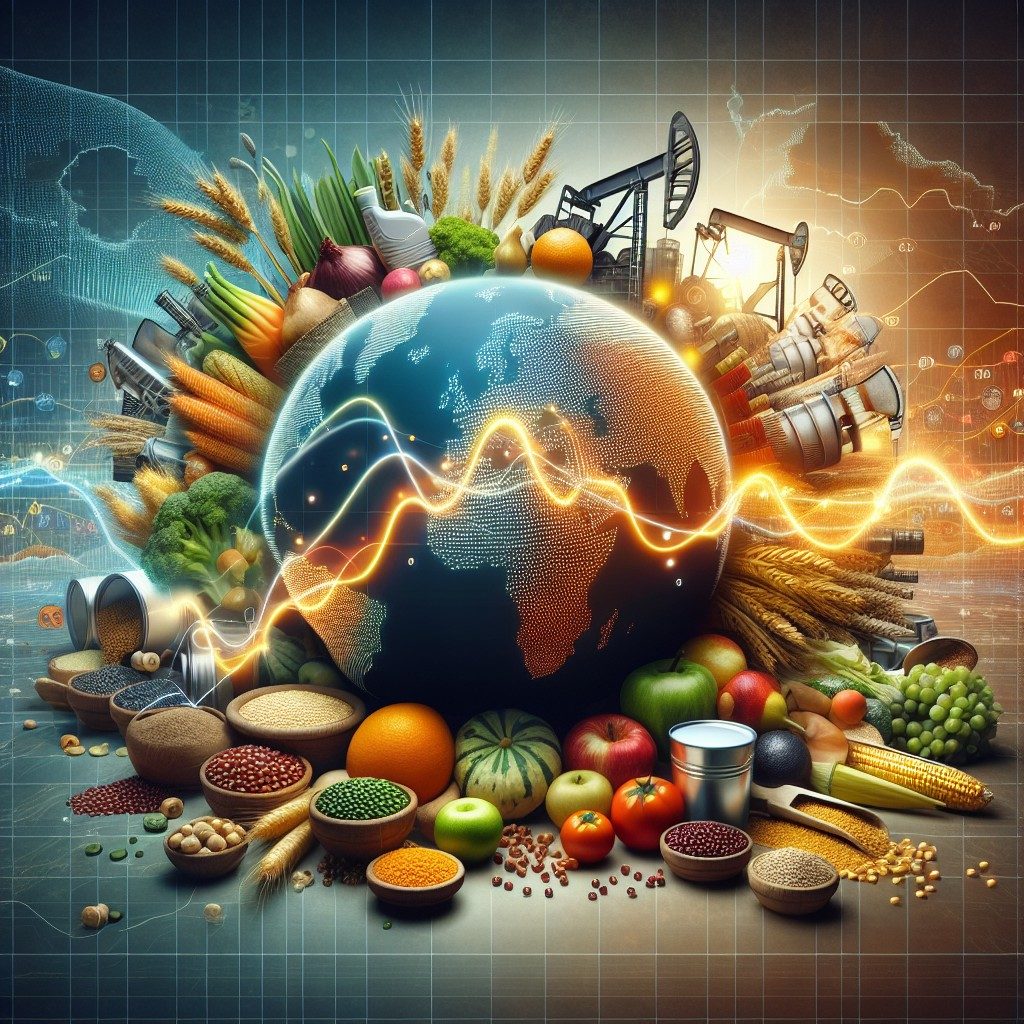
As temperatures rise, the global agricultural landscape is expected to undergo significant changes. The Climate Analysis indicates that staple crops such as wheat, rice, and maize could experience reduced yields due to heightened temperatures and altered precipitation patterns. This decline in productivity poses a threat to food security, particularly in developing nations that rely heavily on agriculture for their economies. Experts warn that failing to adapt to these predictions could lead to increased food prices and social unrest.
Global Response and Adaptation Strategies
The urgency highlighted in the Climate Analysis has prompted calls for immediate action from governments, businesses, and communities worldwide. Experts advocate for increased investment in renewable energy, the implementation of strict emissions regulations, and the development of resilient infrastructure to withstand extreme weather patterns. Furthermore, international collaborations aimed at sharing technology and resources are deemed vital to mitigate the potential consequences of these alarming predictions.
Frequently Asked Questions about Climate Analysis
What does the Climate Analysis predict for the year 2026?
The Climate Analysis predicts rising temperatures and increased frequency of extreme weather events such as droughts and floods worldwide by 2026.
How will agriculture be affected according to the Climate Analysis?
According to the Climate Analysis, agriculture is likely to suffer reduced crop yields, particularly in staple foods, due to changing weather patterns and increased temperatures.
What steps are suggested in the Climate Analysis for mitigation?
The Climate Analysis suggests immediate investment in renewable energy, stringent emissions regulations, and the development of resilient infrastructure as fundamental steps for mitigation.
How can communities prepare based on the findings of the Climate Analysis?
Communities can prepare by developing adaptive practices, enhancing local infrastructures, and participating in international collaborations as outlined in the Climate Analysis.
Why is the Climate Analysis important for decision-making?
The Climate Analysis provides crucial data and forecasts that inform policymakers and stakeholders, enabling informed decision-making to address the challenges posed by climate change.